When Not to Get a Deep Tissue Massage
June 15, 2026
It’s easy to assume that deep tissue massage is always helpful, especially when dealing with muscle tightness or chronic discomfort. In reality, there are situations where this type of therapy can do more harm than good if used at the wrong time or for the wrong condition.
At Oriental Pearl Spa in Illinois, clients often ask whether deeper pressure always means better results. The truth is more nuanced. Understanding deep tissue massage risks helps you make safer choices and ensures your body responds positively instead of reacting with increased pain or stress.
When is
deep tissue massage
not the right choice?

Deep tissue massage is designed to target deeper layers of muscle and connective tissue, but that intensity is not suitable for every situation. Knowing when to pause or avoid treatment is an important part of pain relief safety.
Acute injuries and inflammation
If you are dealing with a fresh injury such as a sprain, strain, or swelling, deep pressure can worsen inflammation. In these cases, lighter therapy or rest is usually recommended until the initial healing phase has passed.
Post-surgical recovery periods
After surgery, the body needs time to stabilize and repair internal tissues. Applying deep pressure too early can interfere with healing and increase discomfort, which is why most therapists avoid
deep tissue therapy during early recovery stages.
What health conditions increase
deep tissue massage risks?
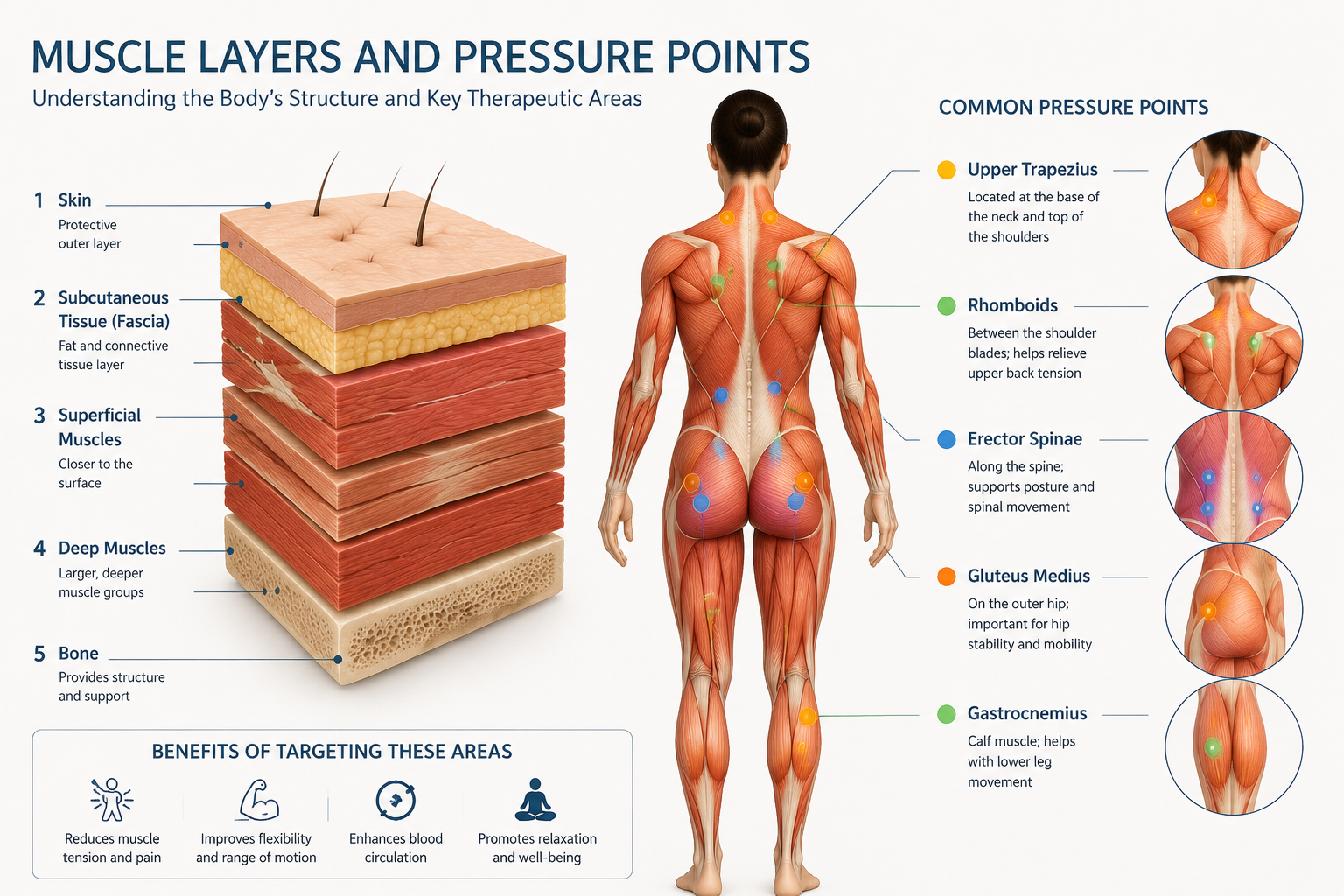
Certain medical conditions can change how your body responds to deeper therapeutic pressure.
This is where understanding contraindications becomes especially important for your safety.
Blood disorders and clotting issues
Conditions that affect blood clotting, such as hemophilia or the use of blood thinners, can increase the risk of bruising or internal bleeding. In these cases,
deep tissue massage risks should be carefully evaluated with a healthcare provider first.
Osteoporosis and fragile bones
People with low bone density may be more vulnerable to injury from strong pressure. Even normal therapeutic techniques can feel too intense, making gentler options like Swedish massage or Shiatsu more appropriate.
Skin infections or open wounds
Any active infection, rash, or open wound should be avoided during massage therapy. Direct pressure can spread bacteria or worsen skin irritation, making it unsafe to proceed with deep tissue work.
How does your body signal that pressure is too intense?

Your body often gives clear feedback when therapy is not being tolerated well. Recognizing these signs early can prevent unnecessary discomfort and support better pain relief safety.
Sharp or radiating pain during treatment
Mild soreness is common during deep tissue work, but sharp or radiating pain is a warning sign. This may indicate that pressure is reaching sensitive structures or aggravating an underlying issue.
Lingering soreness beyond 48 hours
Some tenderness after a session is normal, but pain that lasts several days can suggest that the intensity was too high. Adjusting pressure or switching to lighter therapy may be necessary.
Dizziness or unusual fatigue
Feeling lightheaded or overly tired after a session can signal that your body is under stress. These reactions should always be discussed with your therapist before continuing with deeper treatments.
How do you decide if deep tissue therapy is right for you?
Choosing the right type of massage depends on your health history, current symptoms, and personal comfort level. Deep tissue massage is most effective when it matches the body’s actual needs rather than pushing through discomfort.
At Oriental Pearl Spa in Illinois, therapists often begin with a consultation to understand your condition before recommending treatment. In many cases, Swedish massage, cupping, or Thai bodywork may be a better starting point before progressing to deeper techniques. This step-by-step approach helps reduce unnecessary deep tissue massage risks while still supporting effective therapy outcomes.
Local relevance for clients in Illinois

In Illinois, many clients seek massage therapy to manage stress from long work hours, physical labor, or sedentary office routines. While deep tissue massage can be highly effective, it is not always the first or safest option depending on your condition. Seasonal changes in the region can also affect muscle tension and sensitivity, making personalized care especially important. Oriental Pearl Spa focuses on matching each client with the right therapy approach based on real physical needs rather than intensity alone.
Talk to Oriental Pearl Spa before booking your session

If you are unsure whether deep tissue massage is right for you, it’s best to get professional guidance before scheduling. Oriental Pearl Spa in Illinois can help you evaluate your condition and recommend the safest and most effective treatment plan. Call 708-995-1546 to discuss your needs and get personalized advice before your next session.
Frequently Asked Questions
Who should avoid deep tissue massage?
People with recent injuries, blood clotting disorders, or post-surgical recovery should generally avoid deep tissue massage unless cleared by a medical professional. These conditions can increase deep tissue massage risks and lead to complications if not properly assessed.
Is deep tissue massage supposed to hurt?
Deep tissue massage should feel intense but not painful. Some discomfort is normal, but sharp or lingering pain is a sign that the pressure is too strong and should be adjusted immediately.
What are safer alternatives to deep tissue therapy?
Swedish massage, Shiatsu, and hot stone therapy are often gentler options that still provide relaxation and muscle relief. These therapies are commonly used when contraindications make deep tissue massage less suitable.
How often should you get a deep tissue massage?
Frequency depends on your health condition and tolerance level. Some clients benefit from weekly sessions, while others may only need occasional treatment after physical strain or stress buildup.
Even though deep tissue massage can be highly effective for muscle tension and chronic pain, it is not appropriate for every situation. Understanding how your body responds and recognizing potential risks helps you make safer, more informed choices. If you are unsure, Oriental Pearl Spa in Illinois is available to guide you toward the right therapy and ensure your treatment supports your overall well-being.